
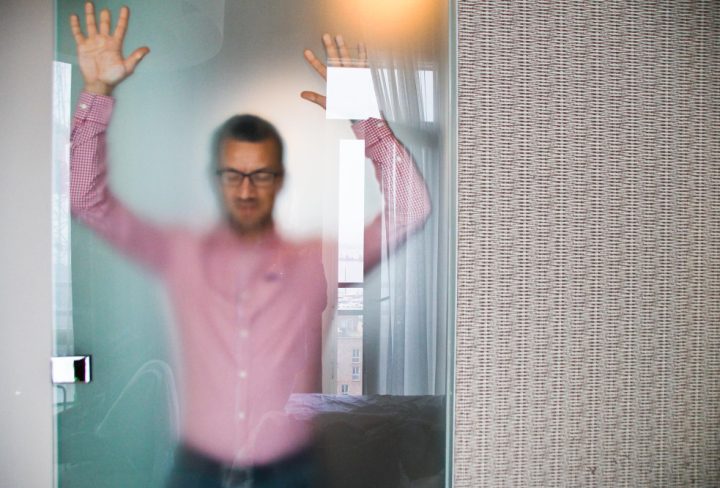
What is Claustrophobia?
Claustrophobia is a strong fear of enclosed or small spaces. Many people feel anxious in elevators, crowded rooms, or even cars. However, for those with claustrophobia, this fear can be overwhelming. As a result, daily life may become difficult. According to the World Health Organization (WHO), phobias like claustrophobia are common anxiety disorders. Early understanding can help you seek the right support.
Common Symptoms of Claustrophobia
People with claustrophobia often notice symptoms when they are in tight spaces. Sometimes, even thinking about these places can trigger fear. For example, you might feel anxious before entering a tunnel or small room. Common symptoms include:
In many cases, these symptoms appear quickly. But they usually go away once you leave the space.
Causes and Risk Factors
While the exact cause of claustrophobia is not clear, several factors may play a role. For instance, past traumatic events, such as being trapped in a small space, can lead to this fear. Genetics may also increase your risk. If a close family member has an anxiety disorder, you might be more likely to develop claustrophobia. Additionally, some people are naturally more sensitive to stress or fear.
Because many factors can contribute, each person’s experience is unique.
How Claustrophobia is Diagnosed
Doctors and mental health professionals use simple steps to diagnose claustrophobia. First, they ask about your symptoms and when they occur. Next, they may use questionnaires to better understand your fears. Sometimes, they rule out other medical problems that could cause similar symptoms. For a diagnosis, your fear must be strong, last for at least six months, and affect your daily life. The American Psychiatric Association provides these guidelines for diagnosis.
Effective Treatments for Claustrophobia
Thankfully, many treatment options can help you overcome claustrophobia. Early treatment often leads to better results. Here are some proven methods:
For those seeking claustrophobia treatment in your city, many clinics offer these therapies. Always choose a licensed mental health professional.
Tips for Managing Claustrophobia
While professional help is important, self-care can also make a difference. For example, you can try these tips:
Moreover, joining a support group can help you feel less alone. Sharing your experience with others can offer comfort and new ideas.
Prevention and When to Seek Help
Although it may not be possible to prevent claustrophobia completely, early action can stop it from getting worse. If you notice signs of fear in small spaces, talk to a doctor or counselor. In addition, seek help if your fear stops you from living your normal life. Early support can make a big difference. The Centers for Disease Control and Prevention (CDC) also recommend reaching out for help when anxiety affects daily activities.
If you or someone you know struggles with claustrophobia, consult a mental health professional for personalized support.