
Introduction
Today, many teens use social media every day. While it helps them connect, it can also lead to problems. Social media anxiety and depression in adolescents are growing concerns. In fact, experts warn that too much screen time can harm teen mental health. This blog explains the symptoms, causes, diagnosis, and ways to prevent these issues. Understanding these topics can help parents and teens stay healthy and safe online.
What is Social Media Anxiety and Depression in Adolescents?
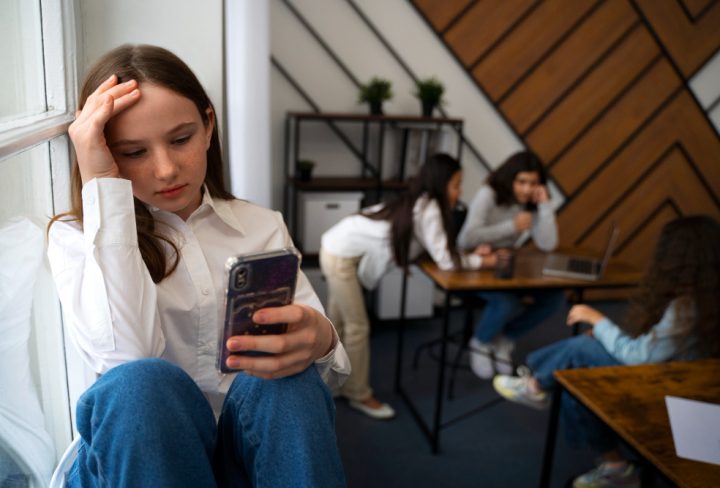
Social media anxiety and depression in adolescents refer to feelings of worry, sadness, or stress linked to online use. Teens may feel left out, judged, or bullied on social platforms. Over time, these feelings can affect their mood and daily life. According to the World Health Organization (WHO), mental health issues in teens are rising, and social media can play a role.
Common Symptoms
It is important to spot signs of anxiety in teens early. Some symptoms may be easy to miss. However, knowing what to look for can help you act quickly.
Causes and Risk Factors
Several factors can lead to social media anxiety and depression in adolescents. For example, teens may compare themselves to others online. This can lower self-esteem. In addition, cyberbullying is a major risk. Teens who are bullied online may feel alone or scared. Other risk factors include:
Because every teen is different, some may be more at risk than others.
How It Is Diagnosed
Doctors use simple steps to diagnose social media anxiety and depression in adolescents. First, they ask about feelings, habits, and online use. Next, they may use questionnaires to check for symptoms. Sometimes, doctors talk to parents or teachers for more details. Early diagnosis is key. It helps teens get the right support quickly.
Treatment Options
There are many ways to treat teen mental health and social media problems. Treatment depends on the teen’s needs. Common options include:
Doctors may suggest a mix of these treatments. However, therapy is often the first step.
Lifestyle and Coping Strategies
Teens can learn healthy ways to cope with social media anxiety and depression. For instance, setting limits on screen time can help. Here are some useful strategies:
Because small changes can make a big difference, it is important to try these tips daily.
Prevention Tips for Parents and Teens
Preventing depression from social media is possible. Both parents and teens can take steps to protect mental health. Consider these adolescent mental health tips:
Above all, staying involved in your teen’s online life can prevent many problems.
When to Seek Professional Help
Sometimes, self-help is not enough. If a teen shows signs of anxiety or depression for more than two weeks, it is time to seek help. Warning signs include:
In these cases, contact a mental health specialist right away. Early help can make recovery easier.
Consult a mental health specialist for personalized advice or support.